





On April 1st of last year, it took me almost 8 pm to reach Bandarban from Dhaka on the last night bus. As a result, I somehow managed to catch the last bus of the day leaving for Thanchi. I didn’t get a chance to do anything but breakfast or lunch. I got two seats at the back of the bus. My research student Aung Shai Nu Marma was with me. When I felt a frown on my forehead after seeing the condition of the local bus, Aung tried to reassure me. I was scared to see the driver’s struggle as he crossed the Nilgiris and climbed the steep hills and bends of the road after Dimer Pahar. When the car’s helper took out a large wooden block and placed it near the door, I wondered if I would be able to return to Dhaka unharmed. If the car’s brakes failed while climbing the steep hills, you had to prop the car up behind the wheels to prevent it from falling into a ditch. That’s why you keep a piece of wood close at hand.
I reached Thanchi in the afternoon. The sun was scorching in April, and it was scorching hot. People have started coming to the market from far and wide. The local guide Mong A Nu Marma, who had been arranged in advance, joined us. We went down the steep stairs from Thanchi Bazar and boarded the ‘Panaksha Boat’ at the bottom of the river. A gust of hot wind hit us. The water of Sangur had dried up and reached the bottom. As a result, small and big stones of various colors from the belly of Sangur were peeking out from under the water.
When we crossed Tindu and reached Remakri, the afternoon sun was behind the steep hills of the Sangu River. The boatman dropped us off at Remakri Bazar. There was practically no water in this part of Sangur. So the boatman forced us to drop us off. There was no choice, we got off and started walking. After pushing water and stones for about a quarter of an hour, our destination, Marmapara, came into view. By then, we had no strength left. We somehow managed to climb the hill and set foot in Marmapara. We stayed at the house of the village head (karbari) Mangsaching Marma. After traveling all night, burning in the sun all day, drenched in sweat in the scorching heat, I went to bed immediately after climbing into the high bamboo loft. Karbari was not at home, only his wife Khai Mra Ching Marma was there. After resting for a while, I took a bath in the nearby stream. My body came back to life.
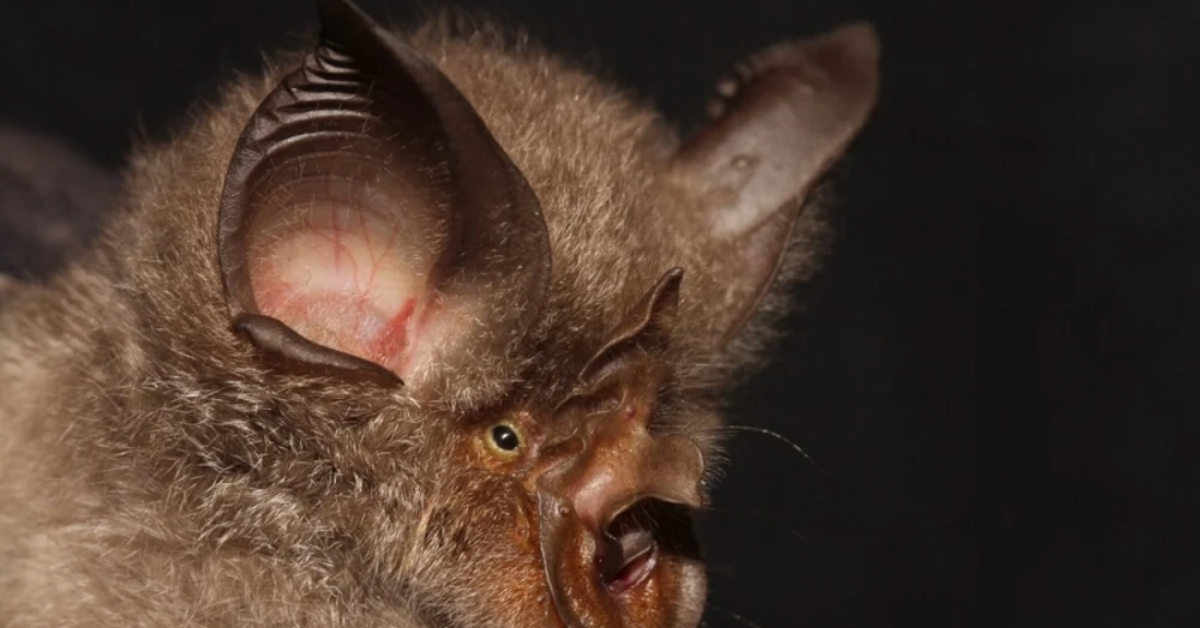
After resting, Mang Nu Marma took us to a Khumi Para located on the top of a nearby hill to plan the next day’s cave expedition. We arranged a guide from the para and returned. The next morning, after about two hours of climbing from Khumi Para, we reached the top of a steep mountain gorge. Sensing our presence, bats started coming out of the gorge. I could smell the strong smell of bats in my nose. But it was impossible to see bats after descending down the mountain gorge. The cave is about 250 meters deep. There is no way down. I tried to get down by tying a rope to a tree but failed. Then I sent the Khumi guides with instructions. They have a regular visit to this cave. After about a couple of hours, they returned with several bats. We returned to Marma Para. I took pictures of the bat, took measurements of its body. Back at the university, I prepared the bat’s skull in the lab and took the necessary measurements. After thorough analysis, I was able to identify the bat specimen as Andersen’s leaf-nosed bat. Then I sent it for publication in the scientific journal Mammalia published from France.
The English name of this bat is Andersen’s leaf-nosed bat, in Latin it is Hyposideros gentilis. It is quite small in size, the upper arm is only 40-42 millimeters long. However, the ears are quite large compared to the body, which are 20-22 millimeters. It can be distinguished from other close relatives by the well-formed fleshy membrane between the nostrils. However, to identify it correctly, the structure of the teeth and the size of the skull of this bat must be taken into account. The skull is elongated, about 14 millimeters long. The incisors are relatively long and narrow. These are insectivorous bats. They usually live in caves or rocky environments. It has not been seen in Bangladesh before. As a result, another new bat has been added to the list of bats in the country. Bangladesh’s name has been placed on the global map of this bat.


